
After all, are Carbohydrate’s addictive?
Carbohydrates are essential for the normal body functioning, and they’re the preferential source of energy. So, they should be part of a healthy and balanced diet.
However, carbohydrates are not all the same, nor do they have the same impact in our bodies.
Do you want to know the difference? The 3StepDiet is here to help you.
What are carbohydrates?
They are one of the 3 macronutrients along with proteins and fat, and their function is to provide energy to the body.
They can be divided into 2 groups: simple, fast-absorbing sugars and complex, slow-absorbing sugars.
Fast Absorbing Carbohydrates
Also called “simple” carbohydrates, they are quickly absorbed and digested by the body, giving few satiety. This group of carbohydrates is present in refined and processed foods and should always be the last choice. They are often present in food such as cakes, biscuits and chocolate, in sugar itself and in soft drinks.
Slow Absorbing Carbohydrates
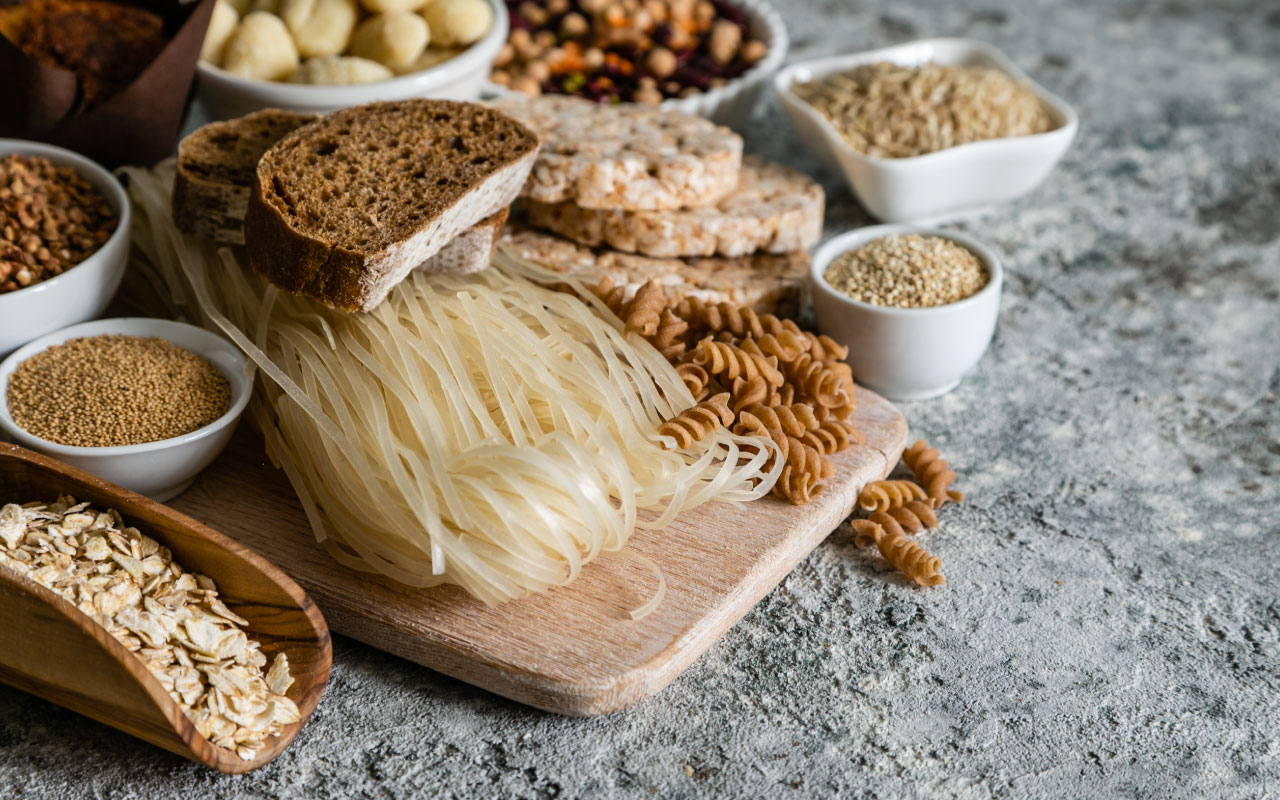
These carbohydrates are also known as “complex” and are absorbed more slowly. This creates a faster and longer feeling of satiety. They are present in the form of starch and can be found in foods of plant source such as cereals, potatoes, rice and pasta, as well as in dried legumes.
Within this type of carbohydrates, we can also include fiber, which are part of food from plant source that are not digested or absorbed, but are vital for the proper functioning of the body. They are mainly present in foods such as whole grains, fruits and vegetables.
Are carbohydrates addictive?
More and more studies have been developed in order to understand whether the intake of food rich in carbohydrates, especially sugar, has any influence on the level of dependence.
In order to be able to explain it better, it is worth understanding how carbohydrates work in our brain. Eating processed food or simple carbohydrates increases levels of so-called “feel-good hormones”, such as serotonin and dopamine. However, this is a fast increase, so the pleasant sensations associated with these hormones are also brief. So, when this feeling of “euphoria” ends, you may feel more anxious and the brain asks for sugar again.
Certainly, you have already sought relief and pleasure in this type of food as they can facilitate these feelings. However, it’s important to understand what leads to this type of situation. Food cannot be used as an escape, but rather to promote health. It’s important to change eating habits and lifestyle, especially in terms of sugar and processed food consumption.
Thus, you can’t say carbohydrates are addictive that carbohydrates are addictive. They seem to be an attractive option in a situation of anxiety or sadness, but they are not the solution. First, try to identify what you might be feeling at those times, in order to understand which triggers can lead to increased intake of this type of food. Then, look for alternatives that you like to do (entertaining yourself, taking a walk, …) for when these moments arise. Physiologically, food is a source of pleasure and comfort, but it shouldn’t be the only one.
Relatively to carbohydrates, the secret is to know how to dose. In a healthy diet, it is important to reduce the amount of carbohydrates we eat as simple sugar, trying to choose food with higher starch and fiber content, such as fruits and vegetables.
Carbohydrates, when well chosen, may not be the usual “villain”, but rather help you when we are in a situation of weight loss!